
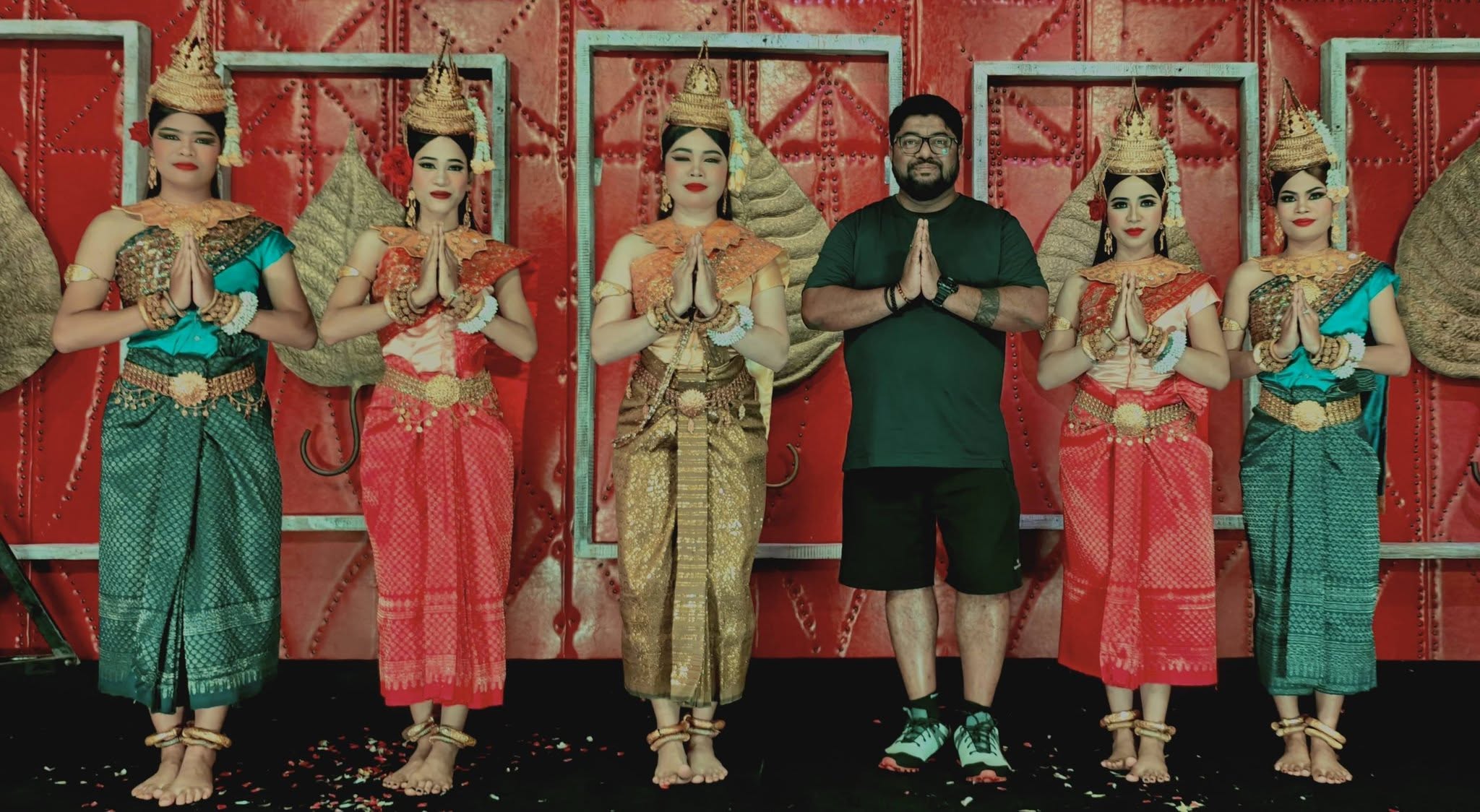
Cambodia often arrives in conversations wrapped in hesitation. Questions about safety, borders, and past conflicts surface quickly. My recent traveling to Siem Reap in January 2026 answered those questions not with arguments, but with live experience. Cambodia is safe to travel, deeply welcoming, and emotionally rich in ways that stay with you long after you leave.
Siem Reap became my base, and from here I explored three places that define the country’s soul. Angkor Wat, Phnom Kulen, and Tonle Sap Lake. History, spirituality, and everyday life came together through these journeys, shaped at every step by the people I met.
Angkor Wat: Where Stone, Time, and Faith Meet
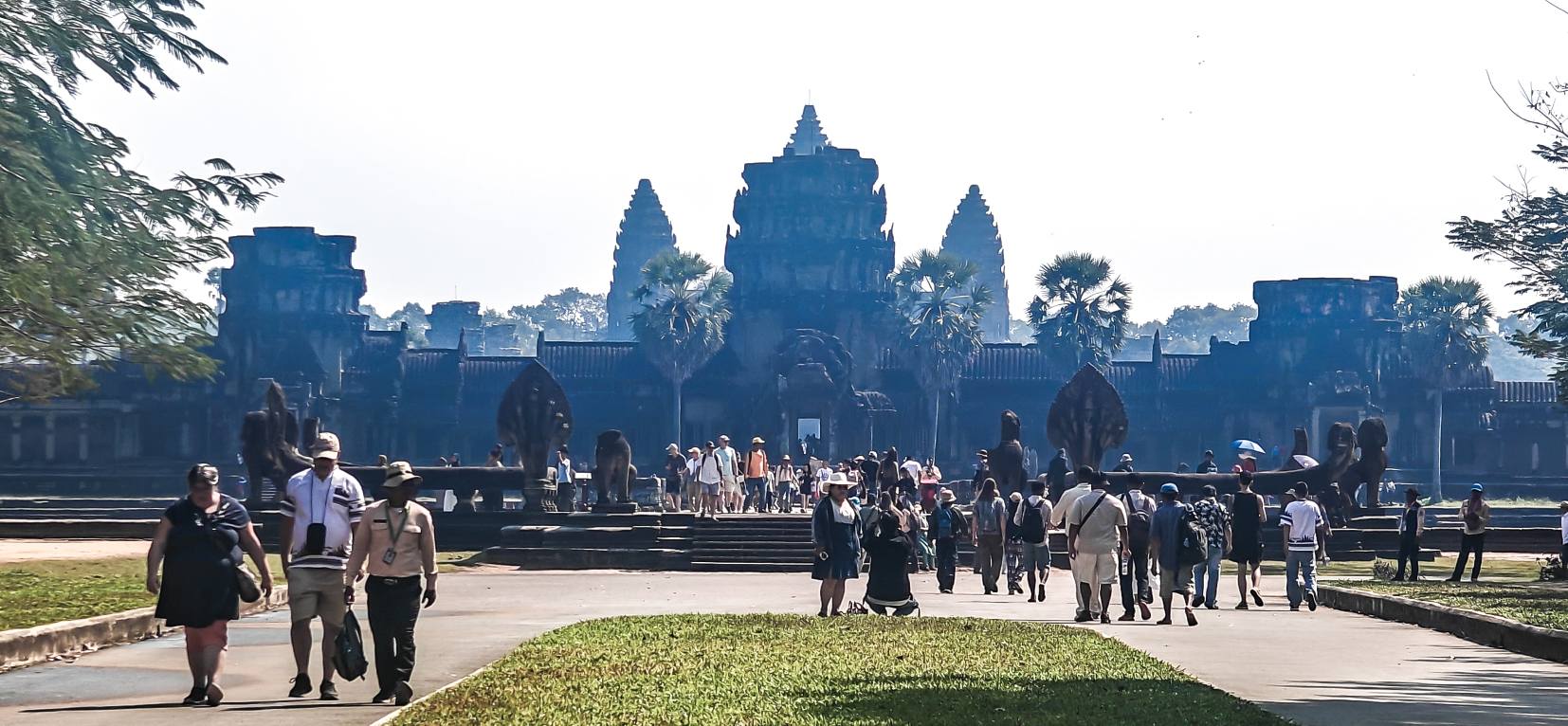
Angkor Wat is not just a monument. It is a civilization frozen in stone. Built in the early 12th century by King Suryavarman II, it began as a Hindu temple dedicated to Vishnu before gradually becoming a Buddhist center. Walking through its corridors, you sense how religion traveled, adapted, and shaped an empire.
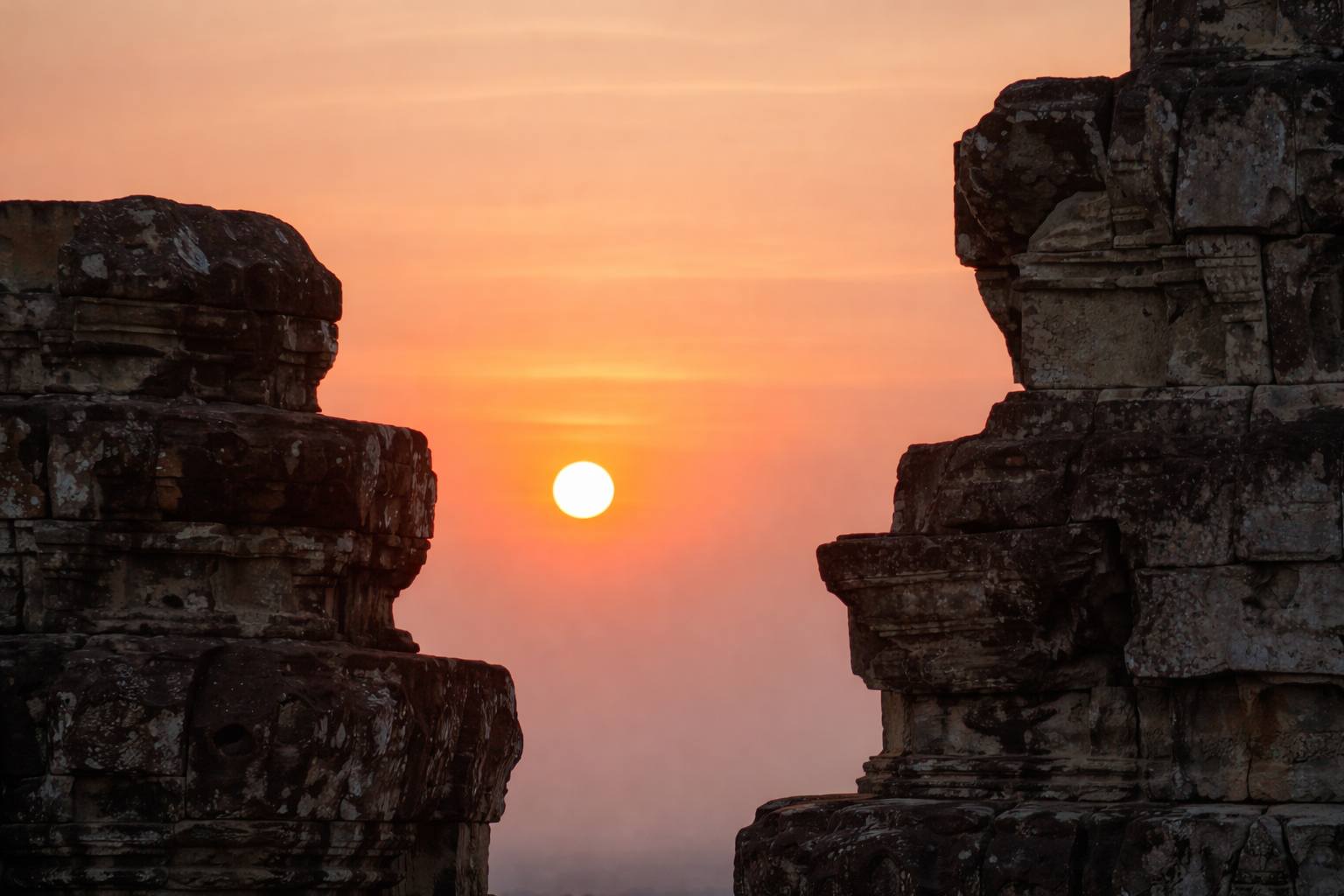
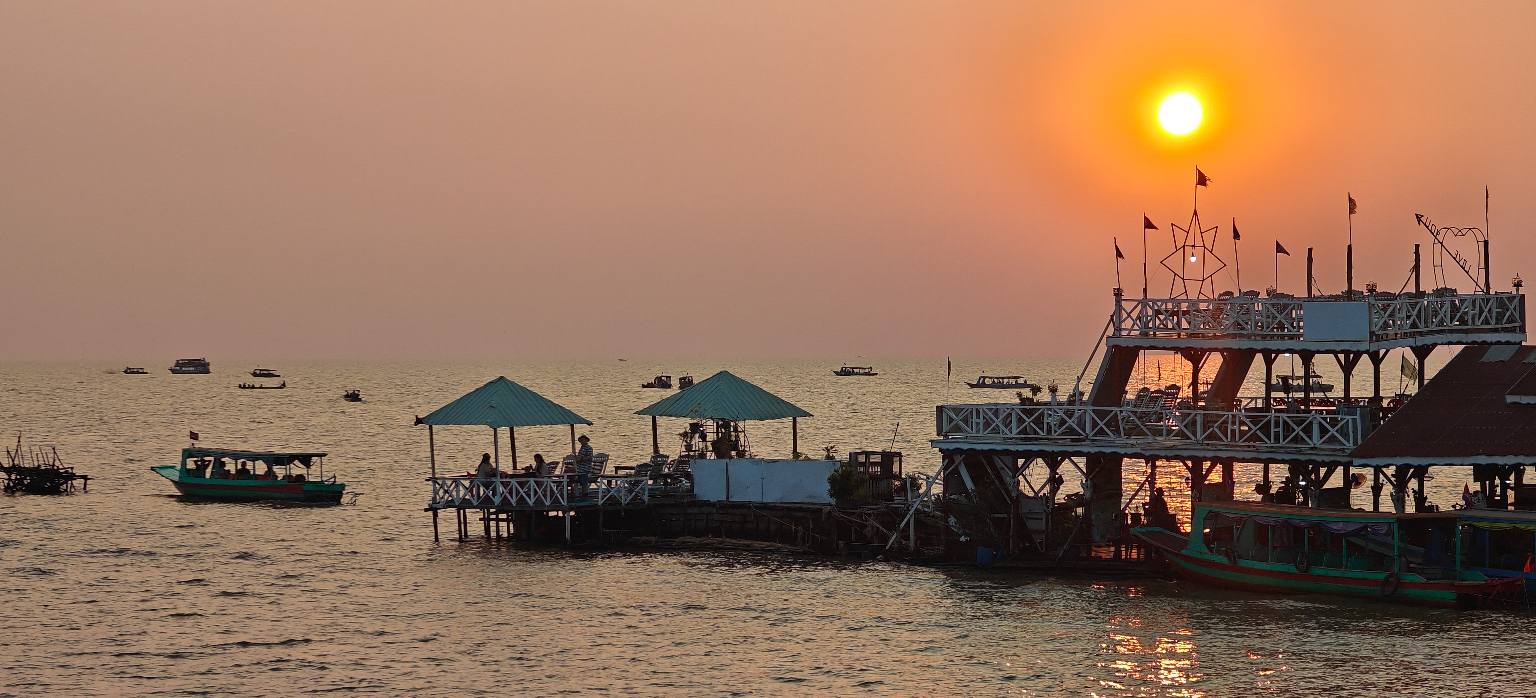
I missed the sunrise which I heard is stunning. But sunset that I witnessed from Phnom Bakheng temple and on day two, from Floating village in Tonle Sap Lake is equally beautiful.
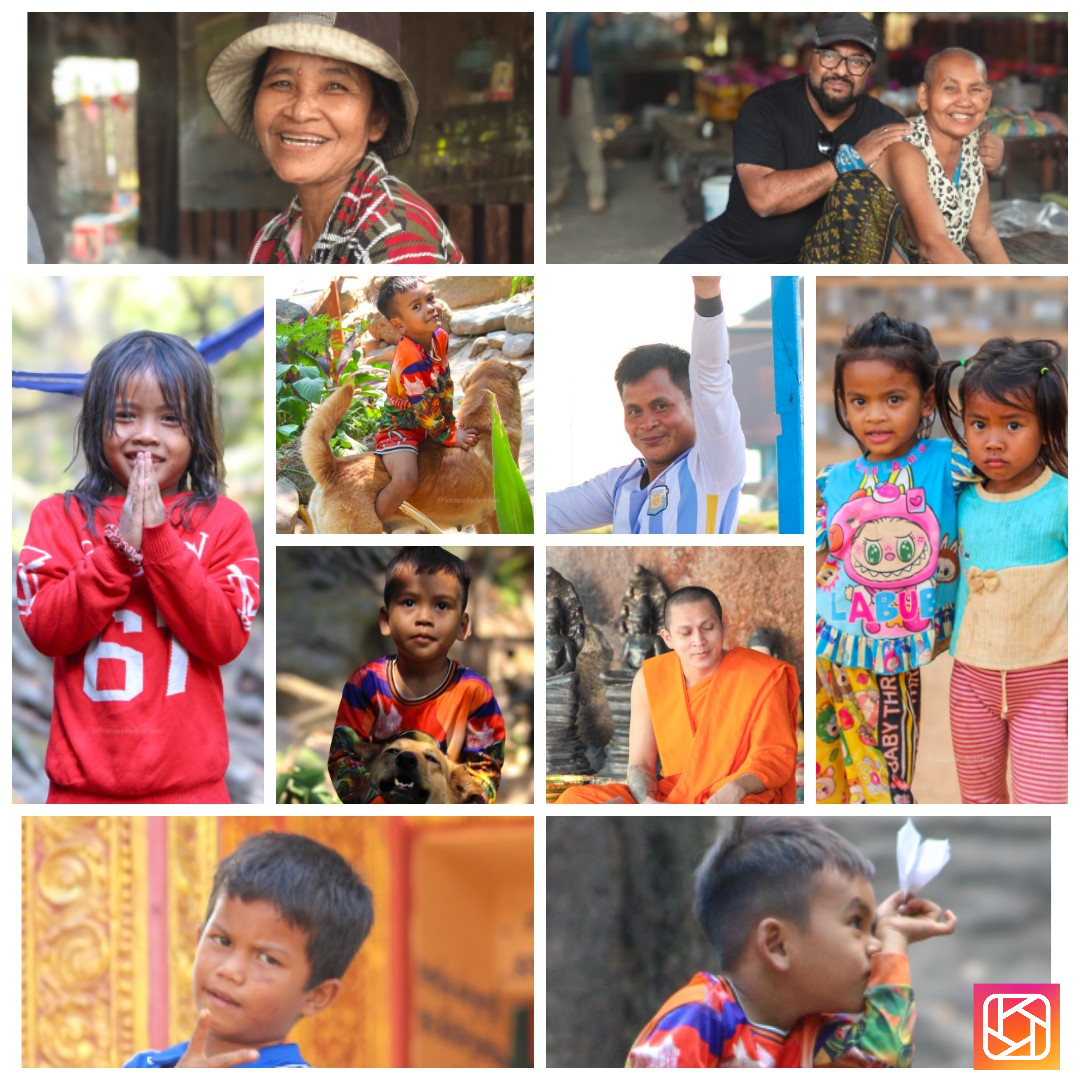
Travelers whisper instead of talking. Local caretakers smile and guide you gently as proud custodians of a legacy that belongs to the world. Despite the scale and crowds, everything feels calm, secure, and thoughtfully managed. The smiling faces of Bayon temple or Ta Prohm Temple feel symbolic. Not just of gods or kings, but of Cambodia itself. A nation that has chosen warmth over fear.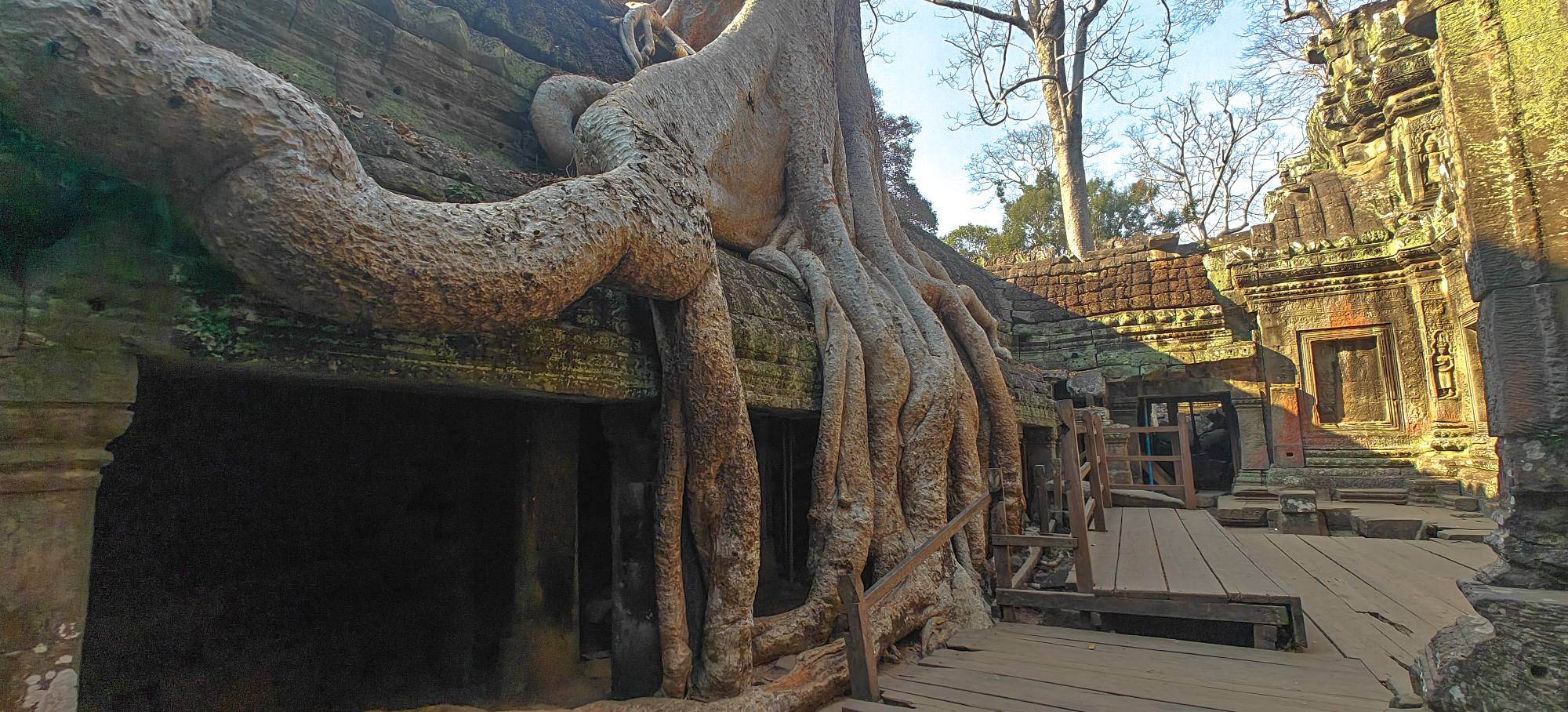
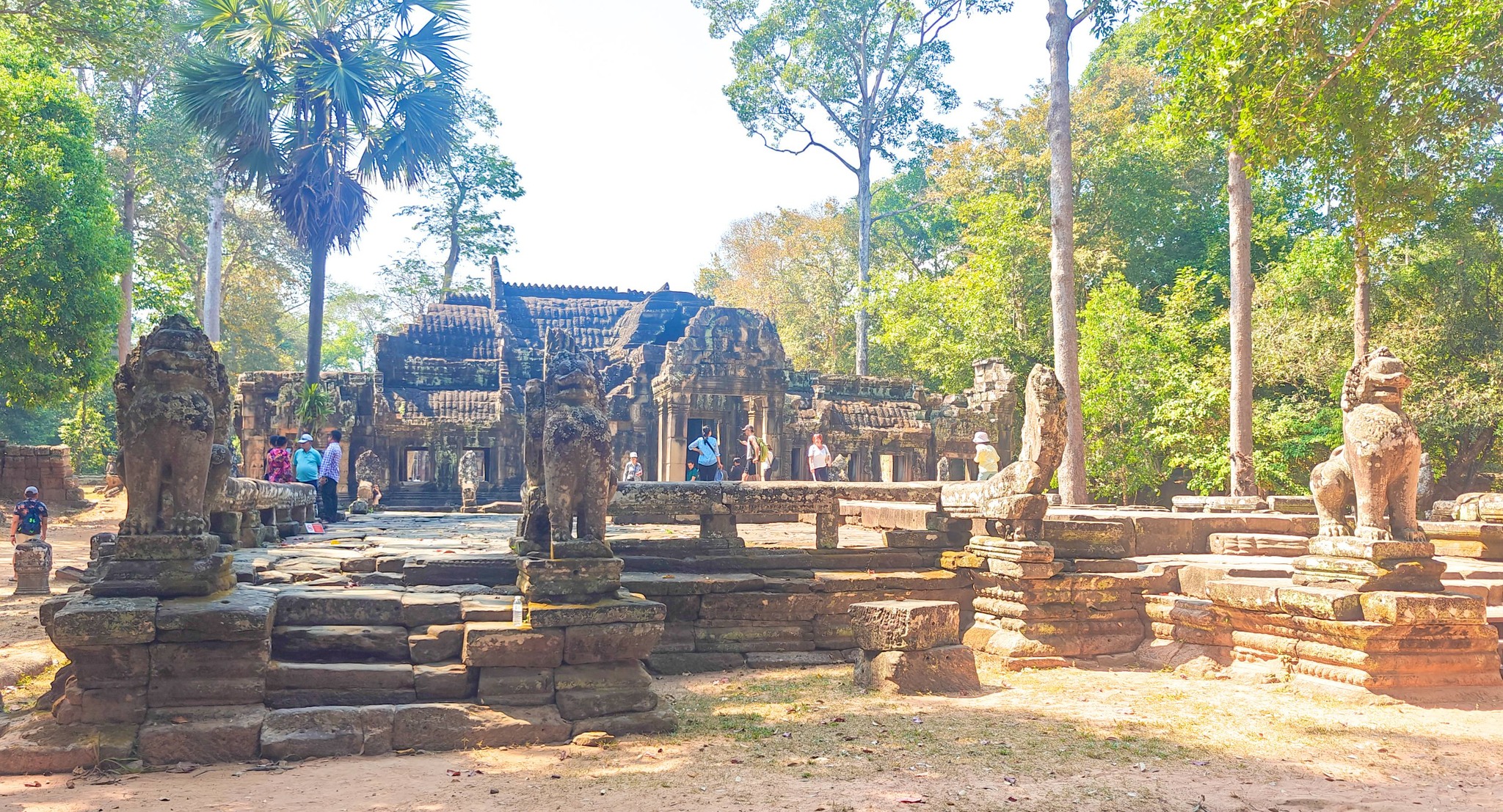
Kulen Mountain: The Sacred Beginning
Phnom Kulen is where the Khmer Empire spiritually began. In the 9th century, King Jayavarman II declared independence here, laying the foundation of Angkor. Today, Kulen feels untouched by hurry. Forest roads lead to sacred rivers, waterfalls, and ancient carvings beneath flowing water.
Families picnic near the falls. Children laugh freely. Monks offer blessings with quiet smiles. No one rushes you. No one watches you with suspicion. The sense of safety here comes not from enforcement, but from shared respect.
Standing by the River of a Thousand Lingas, watching water flow over centuries old carvings, you feel Cambodia’s continuity. Wars may have interrupted lives, but belief never left.
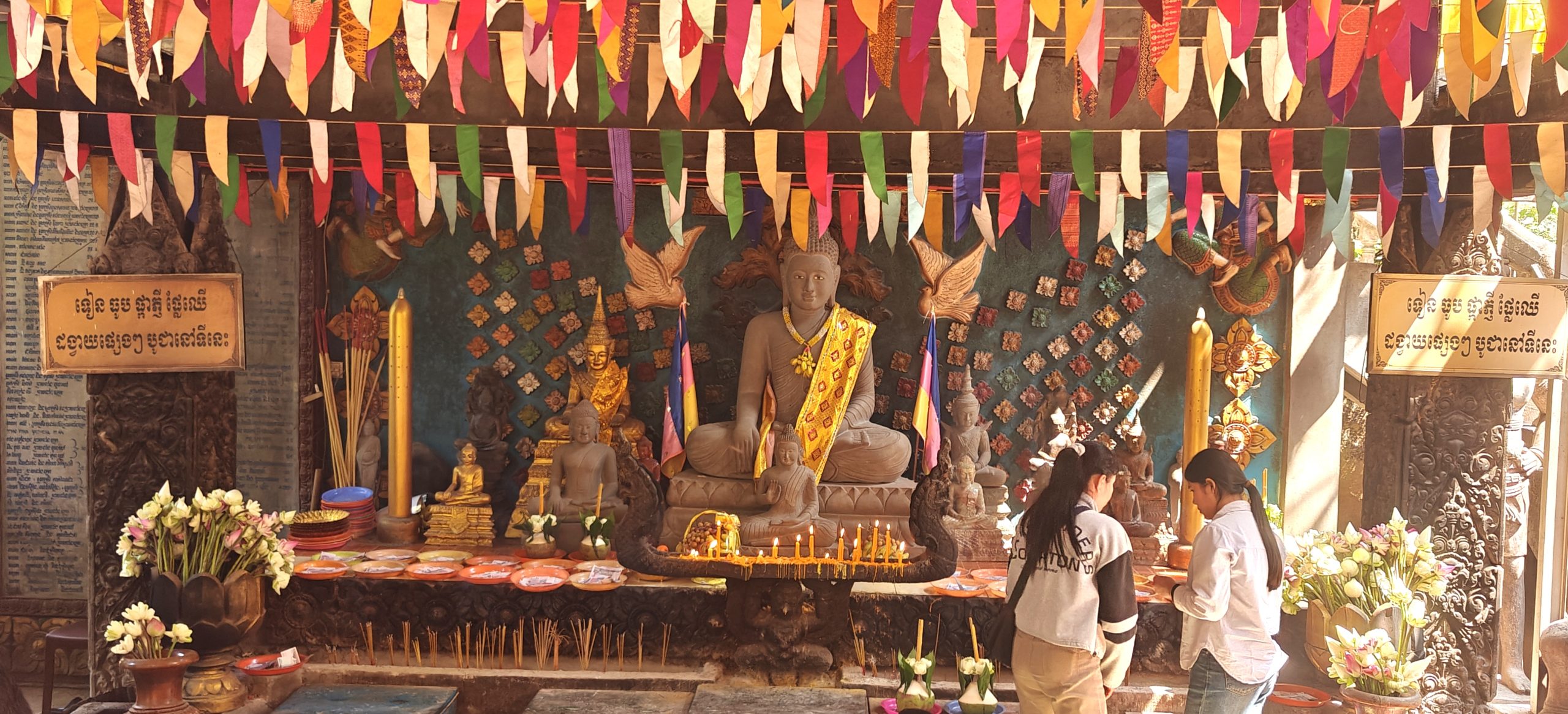
Tonle Sap Lake: Life on Water, Stories in Silence
Tonle Sap tells a harder story. Floating villages reveal poverty shaped by war, displacement, and geography. Homes rise and fall with the water. Schools float. Markets drift. Yet what you encounter here is not despair. Boatmen smile easily. Children wave without hesitation. Conversations happen through gestures and shared laughter. These are people who have lost much, yet offer trust freely. Watching the sunset over Tonle Sap, golden light reflecting on quiet waters, safety feels natural. Earned through humanity, not demanded by authority.
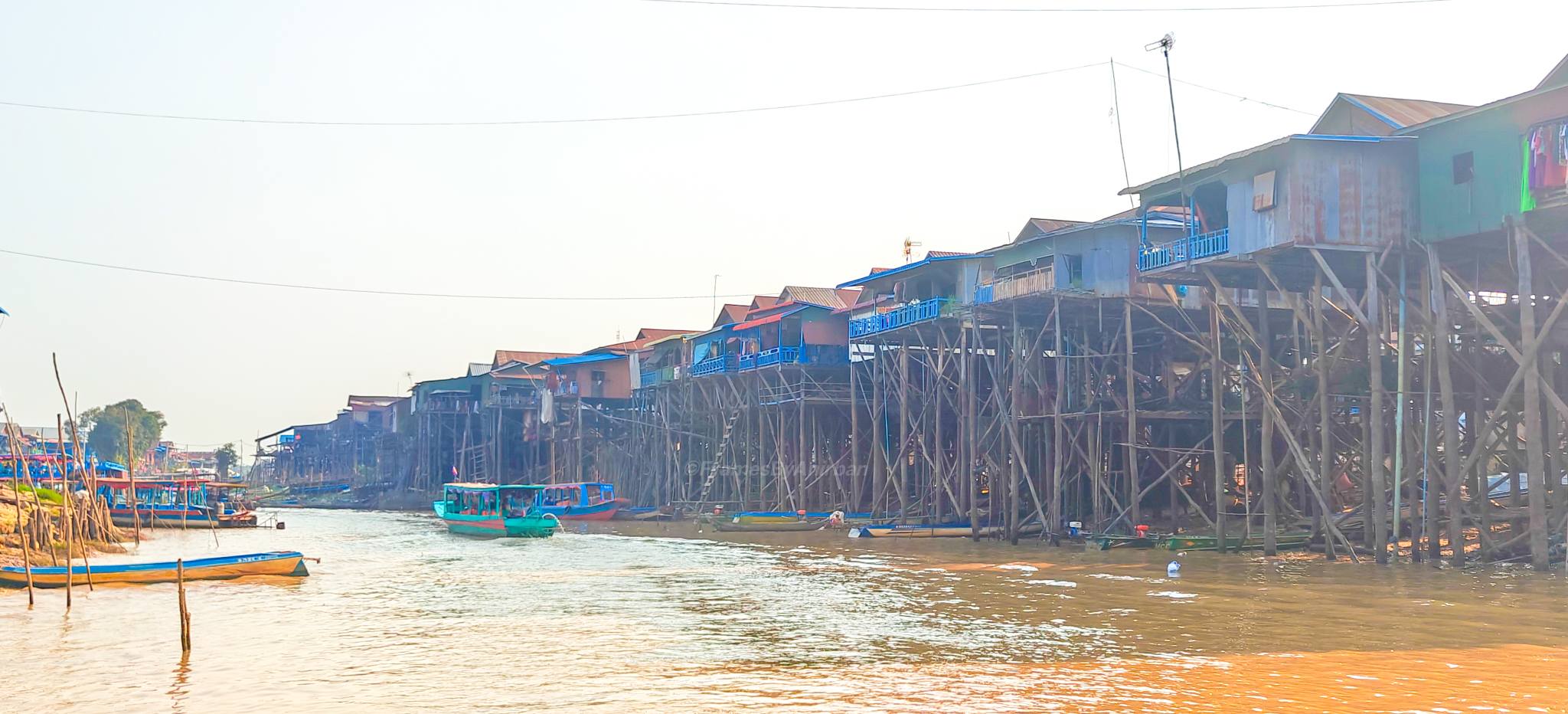
The Weight of War and the Choice of Kindness
Cambodia’s modern history is painful. Decades of conflict, genocide, and instability shattered families and scarred the land. The impact is still visible in economic struggles and quiet memorials. But what defines Cambodia today is not what was taken from it, but what it chose to preserve.
People chose hospitality. They chose openness. They chose to welcome strangers into their stories instead of closing doors.
Nights in Siem Reap: Energy, Laughter, and Ease
As evening falls, Siem Reap transforms. Pub Street comes alive with music, conversation, and color. Restaurants buzz with travelers and locals sharing tables. Bars spill laughter onto the streets. Yet everything feels friendly, not chaotic.
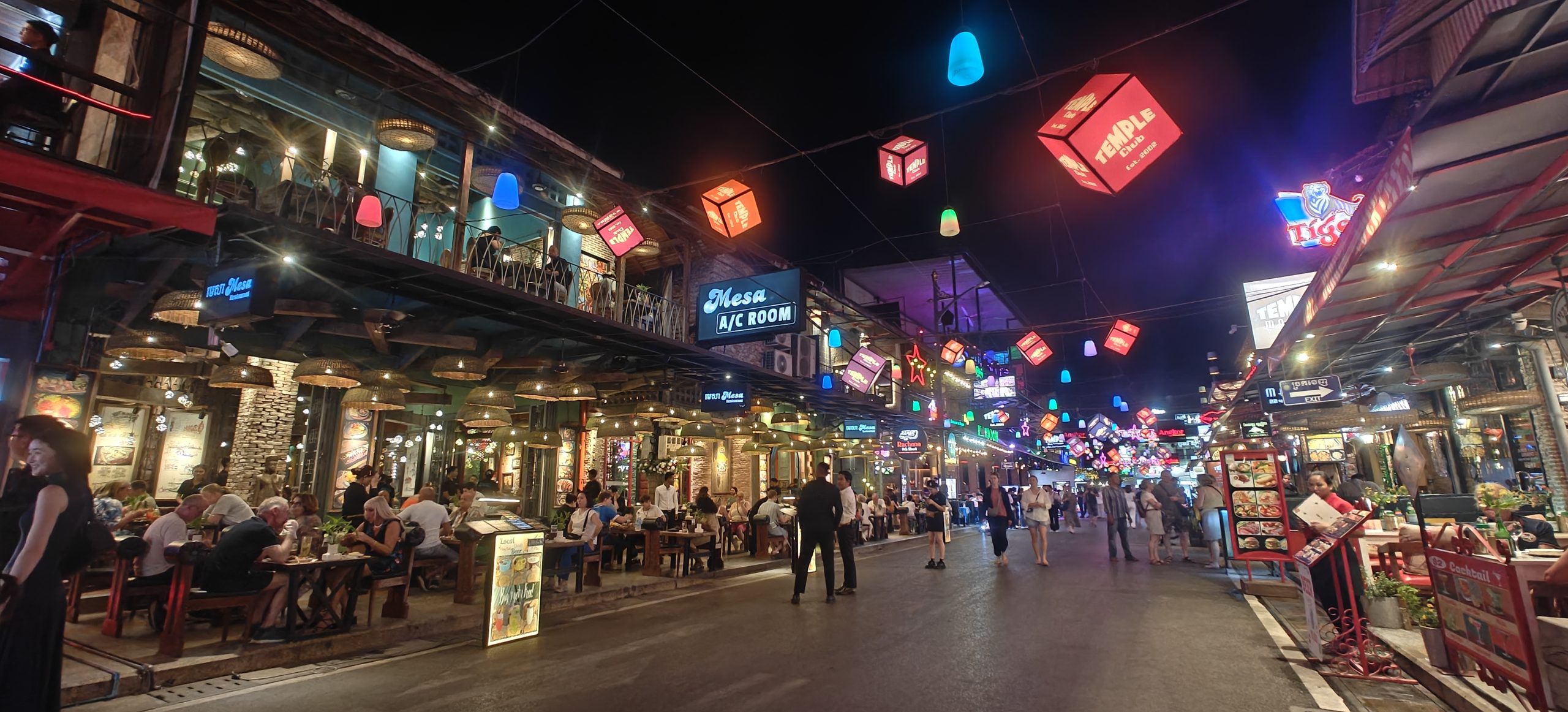
A short walk away, the riverside night market slows the pace. Street food sizzles. Vendors smile patiently. Handmade crafts tell stories of tradition and survival. Walking here late into the night, alone or with friends, feels comfortable and safe.
There is excitement without aggression. Celebration without excess. It is a city that knows how to host.
About Safety, Borders, and Reality
Tourist areas in Cambodia are far from border regions. Siem Reap, Angkor, Kulen, and Tonle Sap are well within safe zones, unaffected by border discussions with Thailand. On the ground, life feels steady and peaceful. Security is present, but never oppressive. Travel infrastructure is reliable, and locals are always ready to help.
Why Cambodia Deserves Your Visit
Cambodia is safe not just because it is stable, but because it is kind. Because its people smile easily. Because history is shared, not hidden. Because joy exists alongside memory.
Travel here if you want more than photographs. Come for stories, conversations, quiet moments, and vibrant nights.
Cambodia does not ask you to overlook its past. It invites you to understand it, and then welcomes you anyway.
Hope You Liked The Post ?
Click on a star to rate it!
Average rating 4.8 / 5. Vote count: 755
No votes so far! Be the first to rate this post.
We are sorry that this post was not useful for you!
Let us improve this post!
Tell us how we can improve this post?